Your home should be a place where you can genuinely unwind. The good news is that creating a calmer, more restful space does not require a full renovation, but only a few thoughtful adjustments to how you organise, light, and style your rooms can make a real difference to how they feel.
- Decluttering and Creating Functional Spaces
A cluttered environment makes it harder to relax, and research consistently bears this out. When your surroundings feel chaotic, your mind tends to follow. As Hull & East Yorkshire Mind notes, reducing physical clutter can help lower stress and anxiety, promote mental clarity, and give you a greater sense of control over your environment. You do not need to tackle everything at once, and starting with one room or even one surface is enough to create a shift in how the space feels. The aim is a home where everything has a place, and where you are not constantly navigating around things you no longer need.
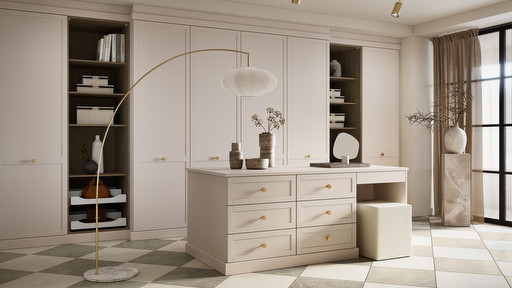
- Using Soft Lighting and Natural Elements
Lighting has a significant impact on mood, yet it is one of the most overlooked aspects of home design. A 2025 review published in a peer-reviewed architectural journal found that natural light reduces stress and supports emotional wellbeing by regulating circadian rhythms and promoting a sense of visual comfort indoors. Where natural light is limited, warm artificial lighting does much of the same work, and softer, lower-intensity sources are linked to a greater sense of calm than bright overhead bulbs. Bringing in natural elements such as wood, stone, and indoor plants reinforces this effect, adding warmth and texture without visual noise.
- Incorporating Calming Colours and Textures
Colour choices shape the emotional tone of a room in subtle but consistent ways. Neutral tones, such as soft whites, warm greys, and muted earthy shades, create a sense of space and quiet. Layering textures through cushions, throws, and natural fabrics like cotton and linen adds depth and comfort without disrupting the overall mood. The goal is coherence: rooms that feel considered and unhurried, where nothing is competing for your attention.
- Enhancing Wellbeing Through Sensory Details
The finishing touches are often what make the biggest difference. Scented candles, essential oils, and soft background sound all contribute to an atmosphere that feels deliberately restful. Fresh flowers are particularly effective, and peonies, for example, introduce both a gentle fragrance and a soft visual element that improves the calm of a living space without overwhelming it. These small sensory additions are easy to introduce and easy to maintain, and their effect on how a room feels is often immediate.
Creating a calming home is less about following a particular style and more about removing friction, such as the visual, physical, and sensory noise that makes it hard to switch off. Small, consistent changes tend to have a lasting effect, and the best place to start is simply with whatever feels most unsettled right now. Over time, those adjustments build into an environment that supports how you want to feel at home.